Self-Defense for Teens In Lake Norman
What Parents Should Know
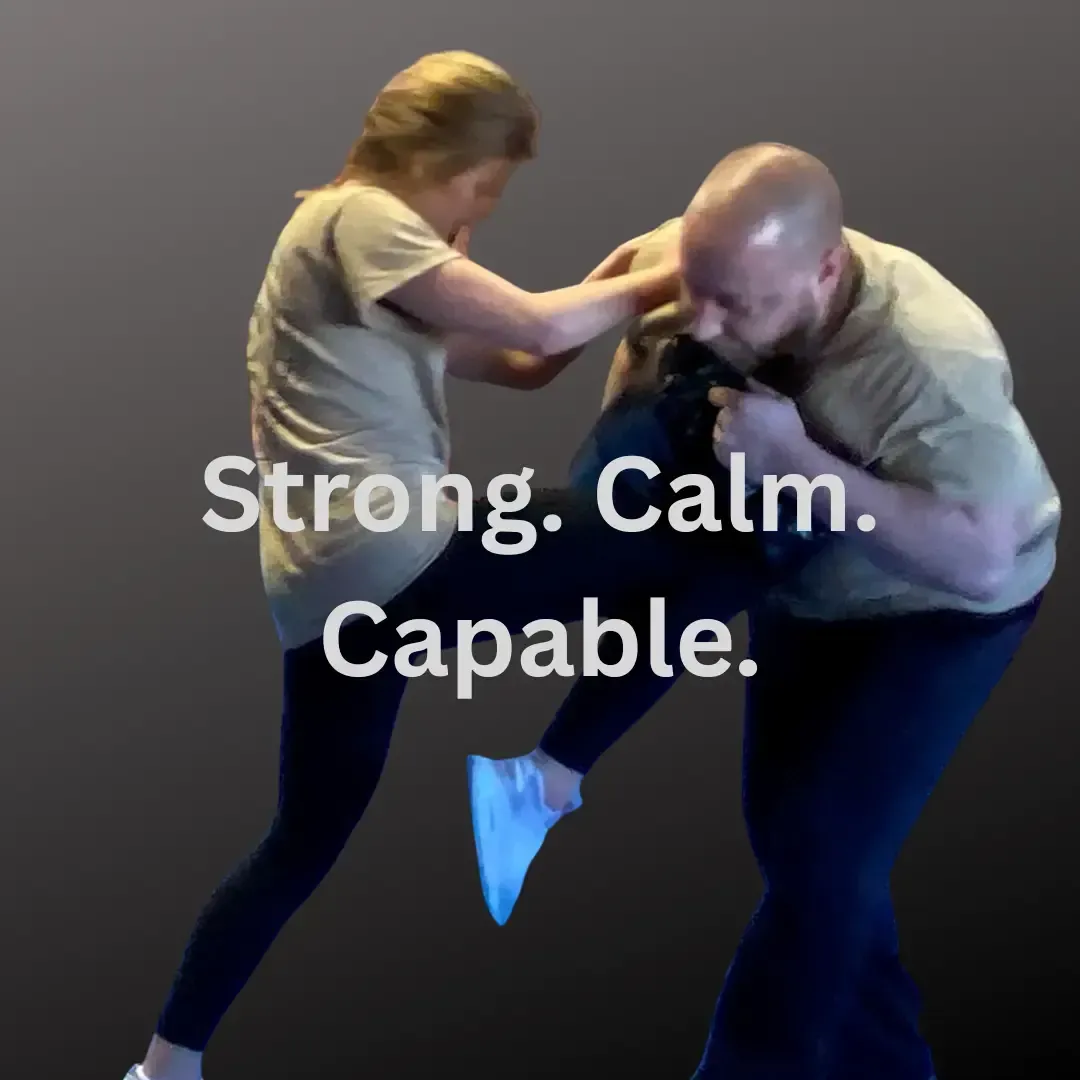
Most parents don't like to think about their teenager finding themselves in a dangerous situation. Unfortunately, avoiding thinking about it doesn't change the fact that it can happen.
Today's teenagers face pressures and situations that escalate faster than many adults realize. Self-defense training isn't about turning them into fighters. Rather, it's about giving them the situational awareness, judgement, and skills to handle situations before they spiral out of control.
Why Teens Are More Vulnerable Than Many Parents Think
Teens are still developing emotionally and neurologically and dealing with anxiety more than at any time in history. That matters when stress hits.
Unlike adults, teenagers are far more likely to:
Freeze Under Pressure
React Emotionally Instead of Strategically
Feel Social Pressure to Comply Rather Than Assert Boundaries
Miss Early Warning Signs of Danger
Most incidents don't even begin with obvious violence. They start with discomfort, uncertainty, or subtle boundary violations. Without proper training, teens often don't recognize the moment when they should either react, or disengage.
The Myth of "My Teen Is Confident, They'll Be Fine"
Confidence is helpful. It's not protection or a guarantee of becoming a victim.
Confidence without experience can actually increase risk. Many teens believe situations will "work themselves out" or that someone will step in when things go wrong. In my experience, most confrontations unfold quickly and without intervention.
That's why preparedness beats confidence every time
Real self-defense training teaches your teen how to:
Recognize Escalating Situations Early
Make Decisions Under Stress
Respond Appropriately Instead of Emotionally
Just as an FYI, I'm not teaching this from theory like so many other instructors do. I was bullied growing up. (I know, hard to believe when you see the size of me now), and so I know firsthand how quickly situations escalate, and how adults underestimate what teens are dealing with.
That experience is one of the reasons I'm so passionate about the subject, and one of the reasons our program is so tight.
What Self-Defense For Teens Really Means
Self-defense is NOT just about about physical techniques. In fact, physical techniques should be the last option.
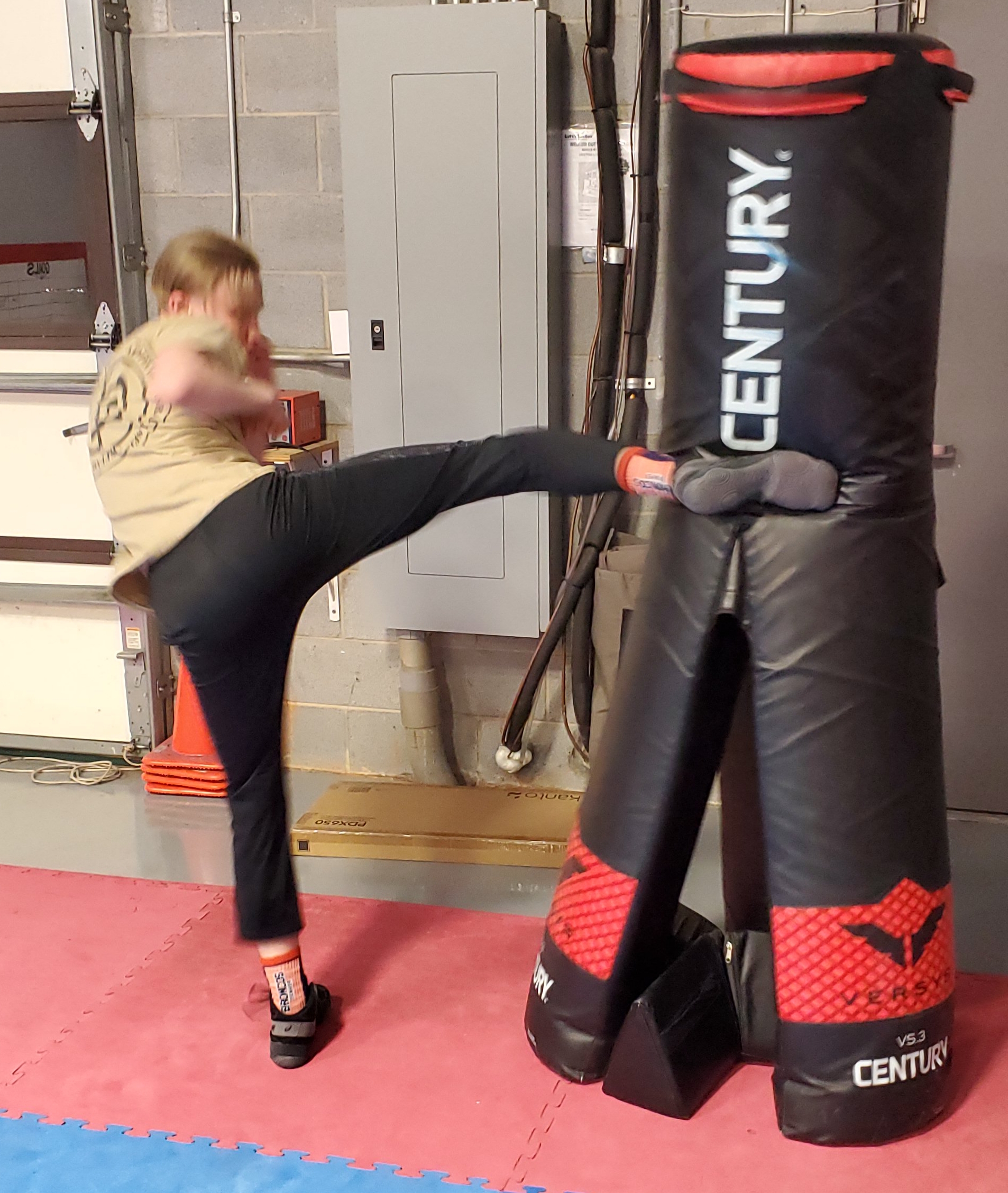
Effective teen self-defense focuses on:
Situational Awareness
Conflict Avoidance
Verbal De-escalation
Verbal Boundary Setting
Lowering Their Profile
Hardening the Target
Effective Realistic Physical Techniques
The goal is not to "win a fight" (though they will almost certainly). The goal is to avoid one, and handle it successfully, only if it can't be avoided.
Martial Arts Vs Self-Defense:
An Important Distinction
Traditional martial arts often focus on:
Technique Development
Rules & Structure
Controlled Training Environments
Self-defense training focuses on:
Real-world decision making
Unpredictable Situations
Dealing with Stress & Pressure
Awareness & Avoidance Strategies
Both have value, but they serve different purposes. Parents should understand what outcome they actually want for their teenager.
What To Look For In a Teen Self-Defense Program
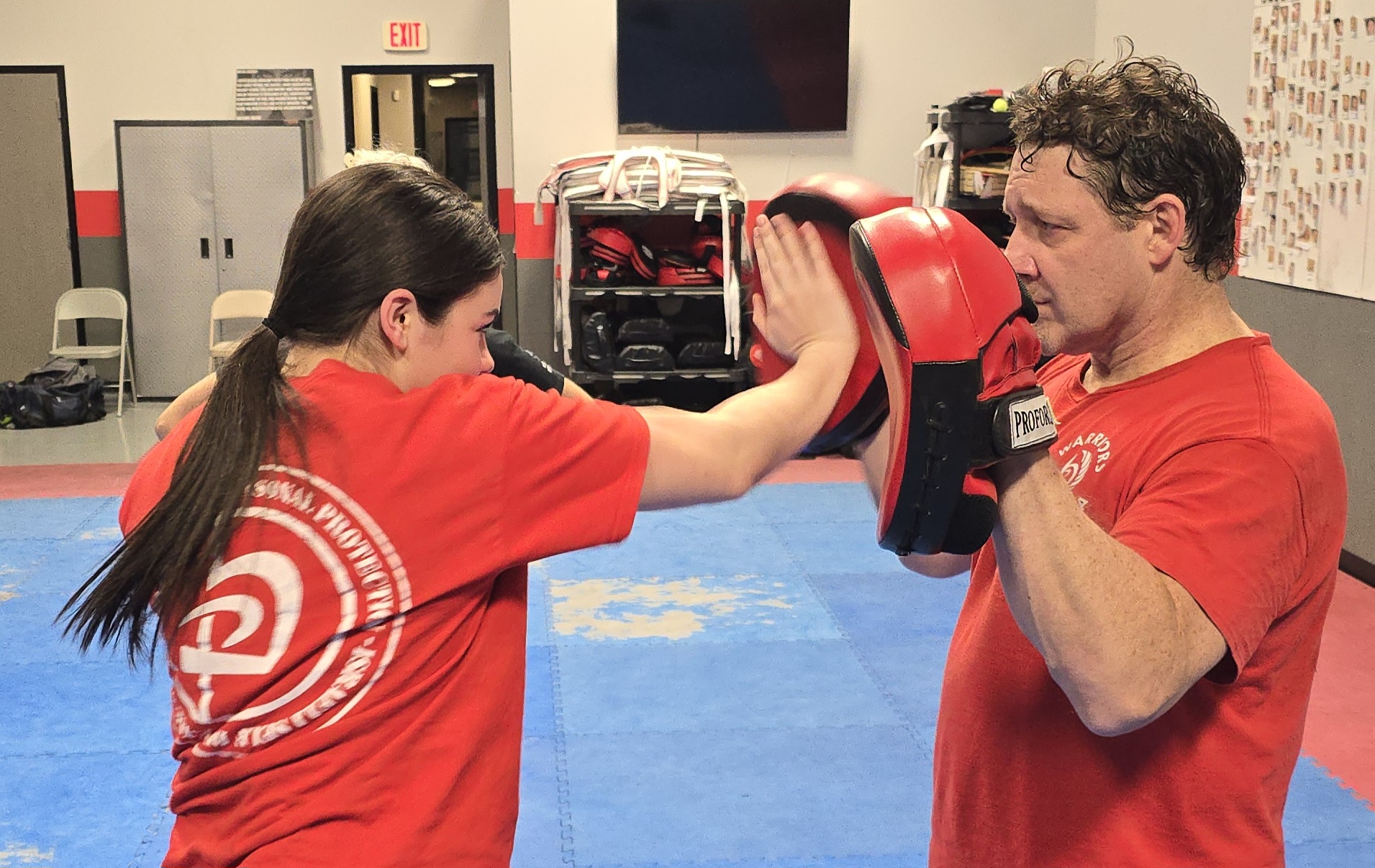
Not all programs are created equal. When evaluating a self-defense program for their teenager, parents should be looking for:
A curriculum designed specifically for teens
Emphasis on Awareness & Avoidance, not just how to fight
Instructors who understand teen behavior and decision-making
Training in how to verbally de-escalate
Clear communication with the parents
A focus on responsibility, respect and restraint
Programs that skip these elements often teach techniques without teaching judgement. That's where you can get into trouble in a hurry.
Serving Families Across Lake Norman
Families in Cornelius, Huntersville, Davidson, Denver, Charlotte and Mooresville all face the same concern: ensuring their teens are prepared for real-world situations, not just structured environments.
Training locally allows teens to build skills consistently while their parents stay informed and involved.
Final Thoughts
Self-defense training for teens isn't about fear. It's about responsibility.
Giving your teenager the tools to recognize danger, set boundaries, and respond appropriately is one of the most practical investments a parent can make. Preparation today helps prevent regret tomorrow.
If you're exploring self-defense training for your teenager in the Lake Norman area, begin by learning what real-world preparation actually looks like, and make your decision from there.